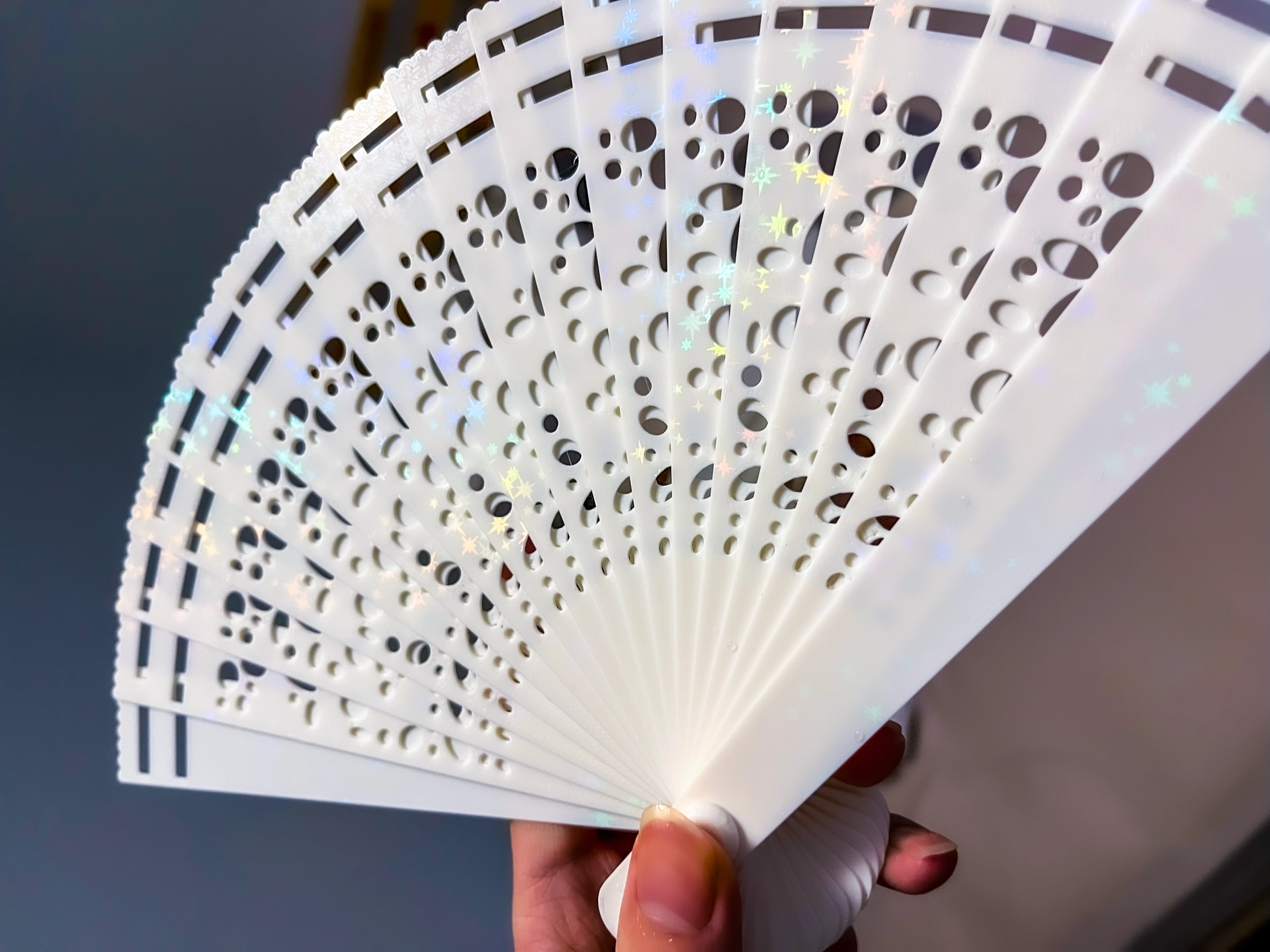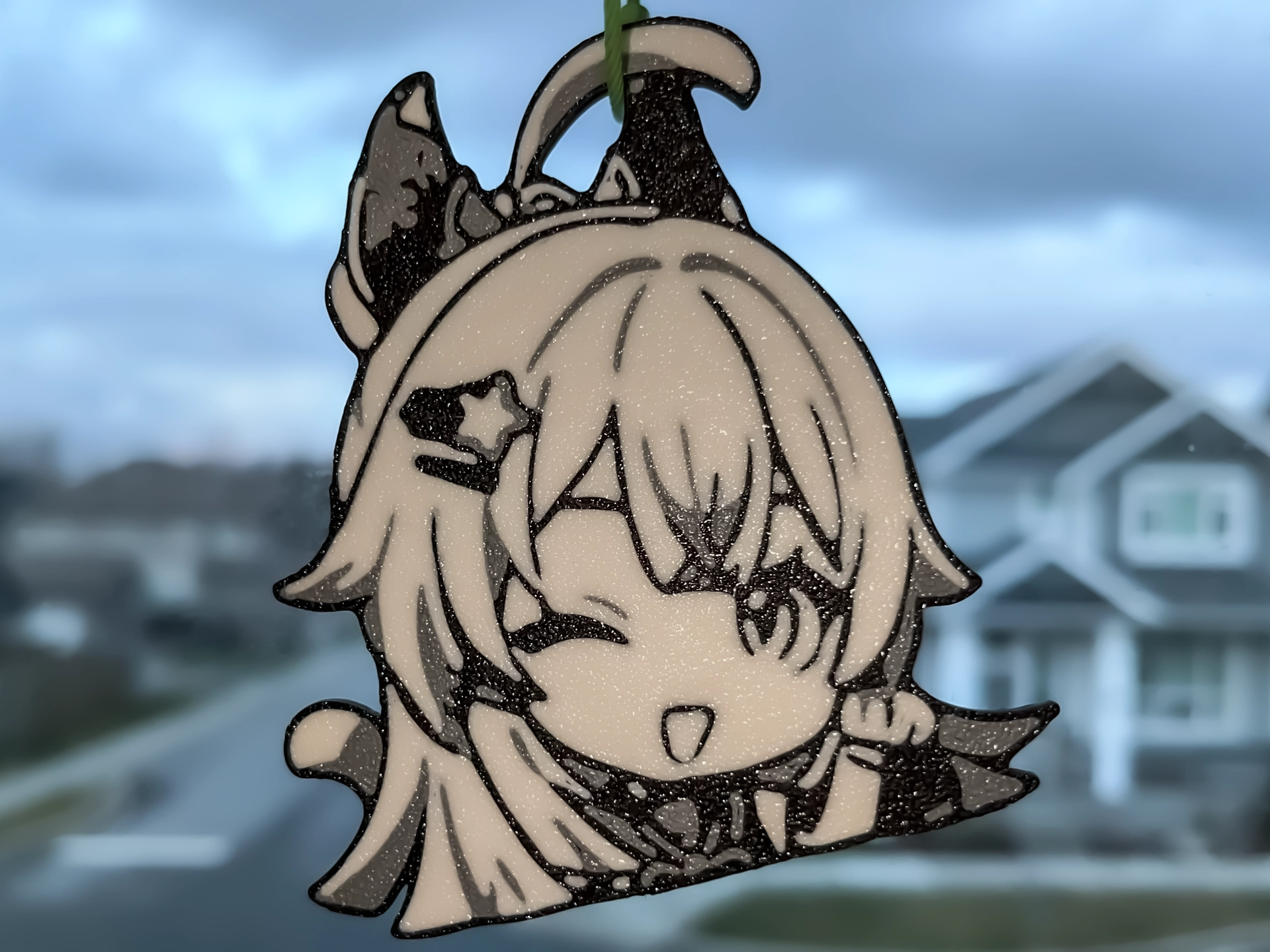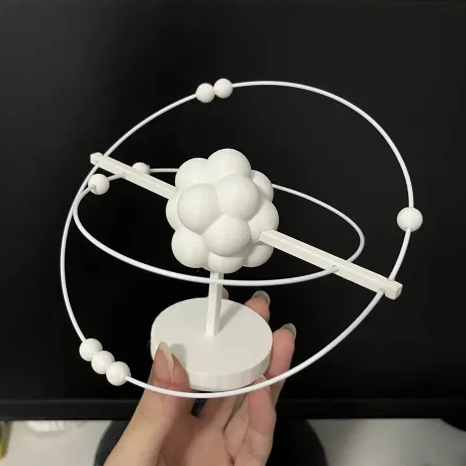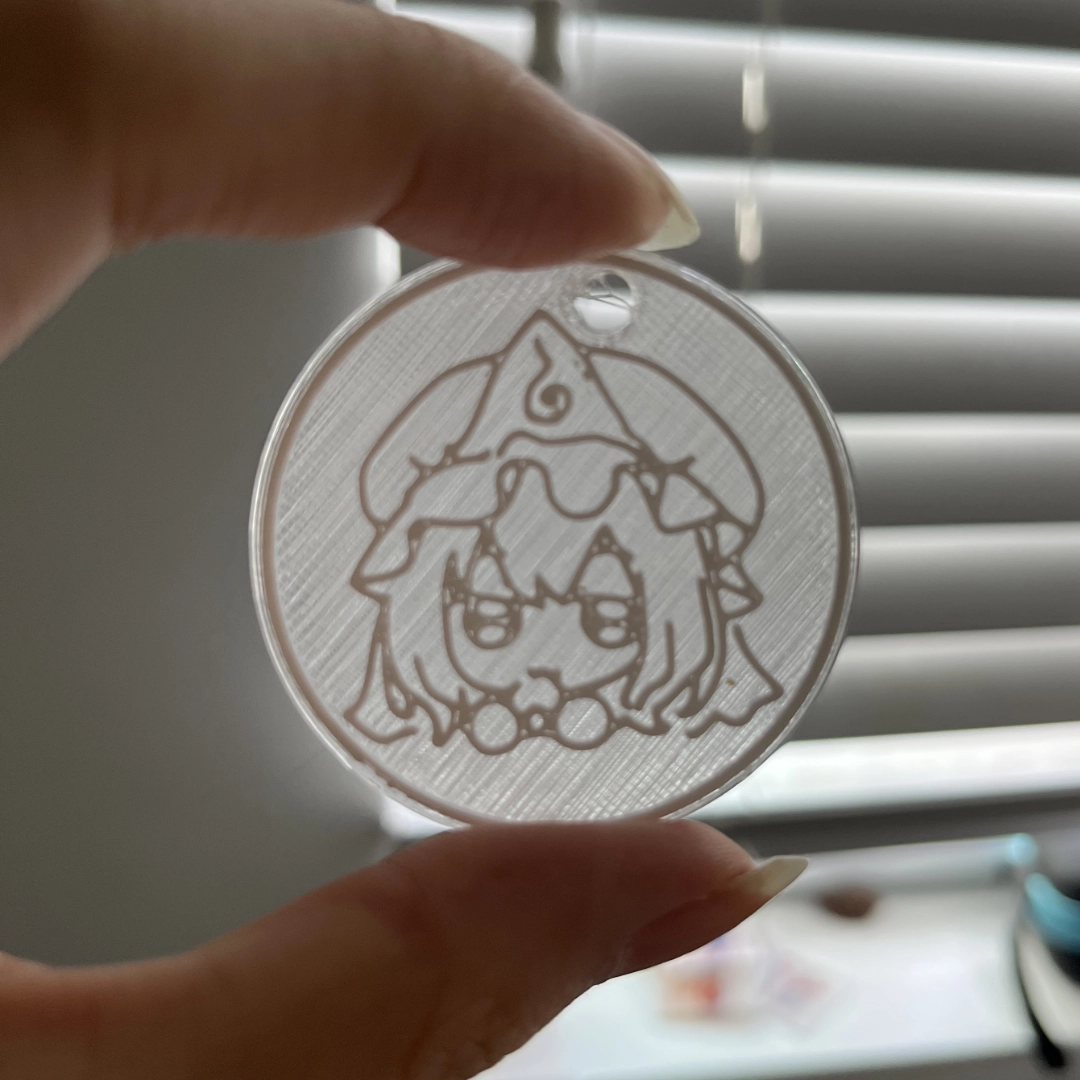
Our Services

Service 1
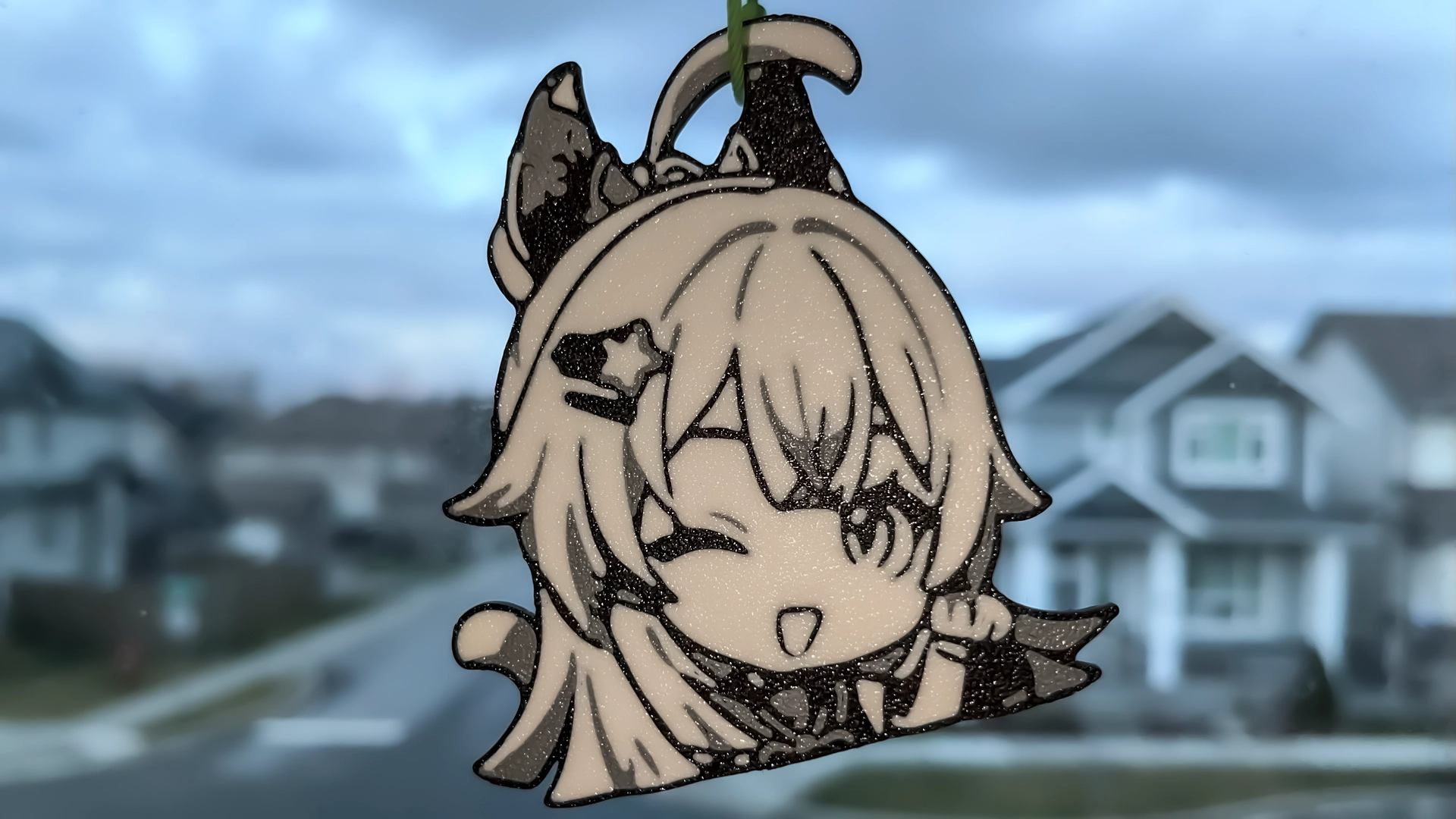
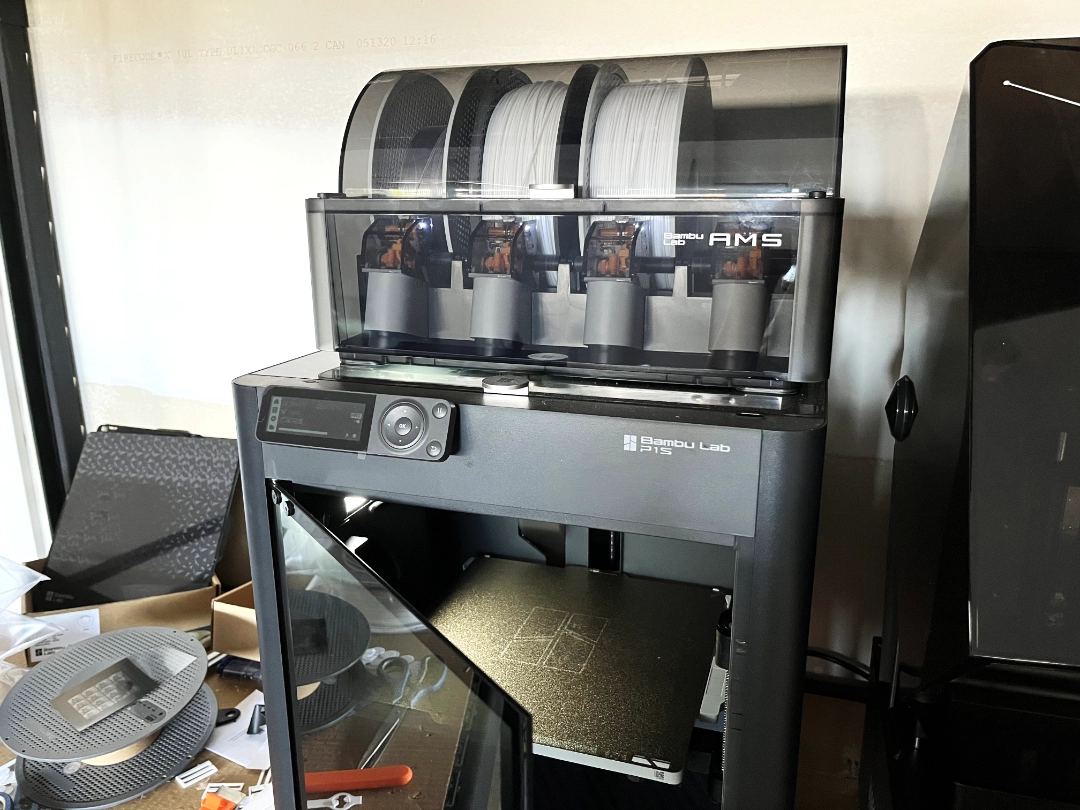
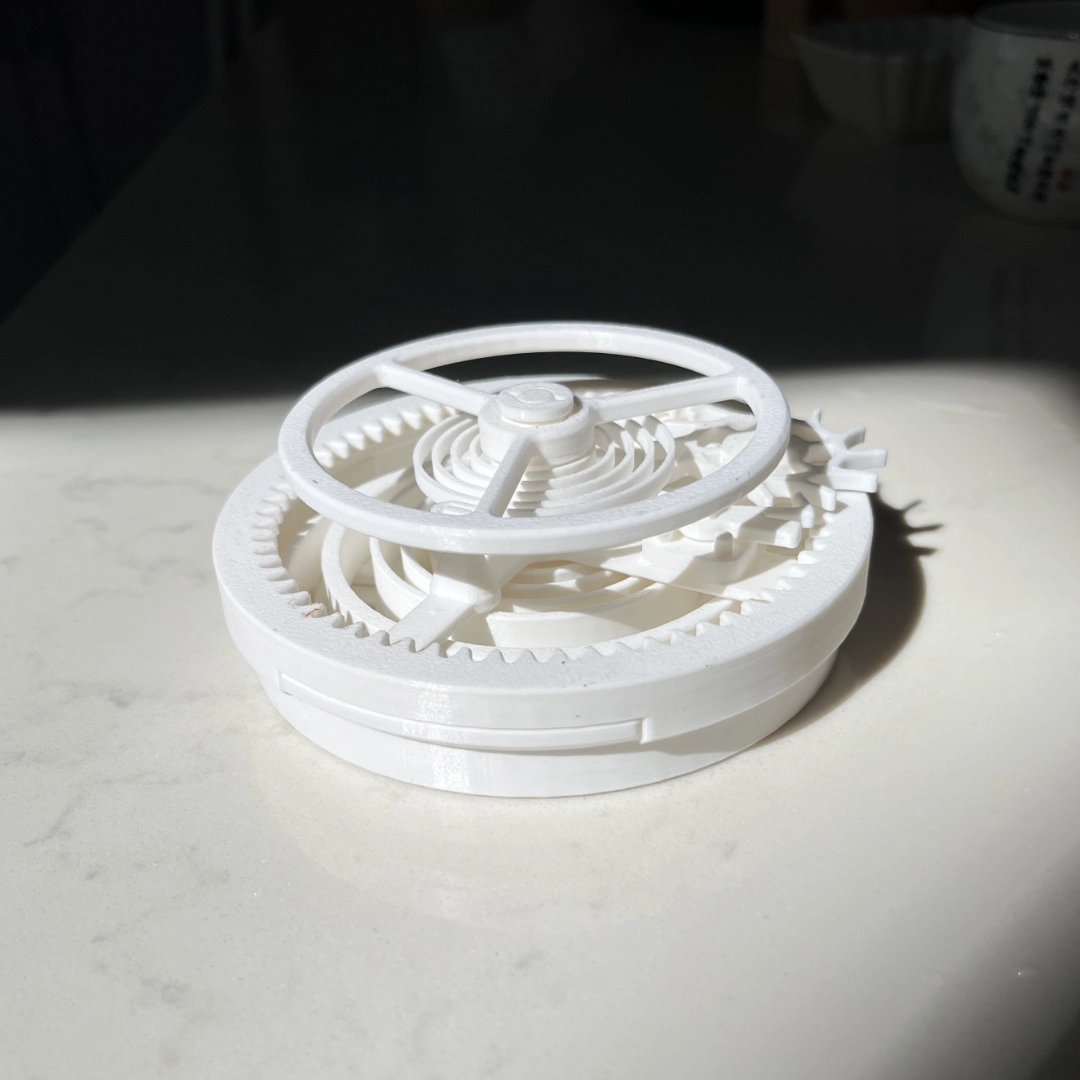
FDM Printing

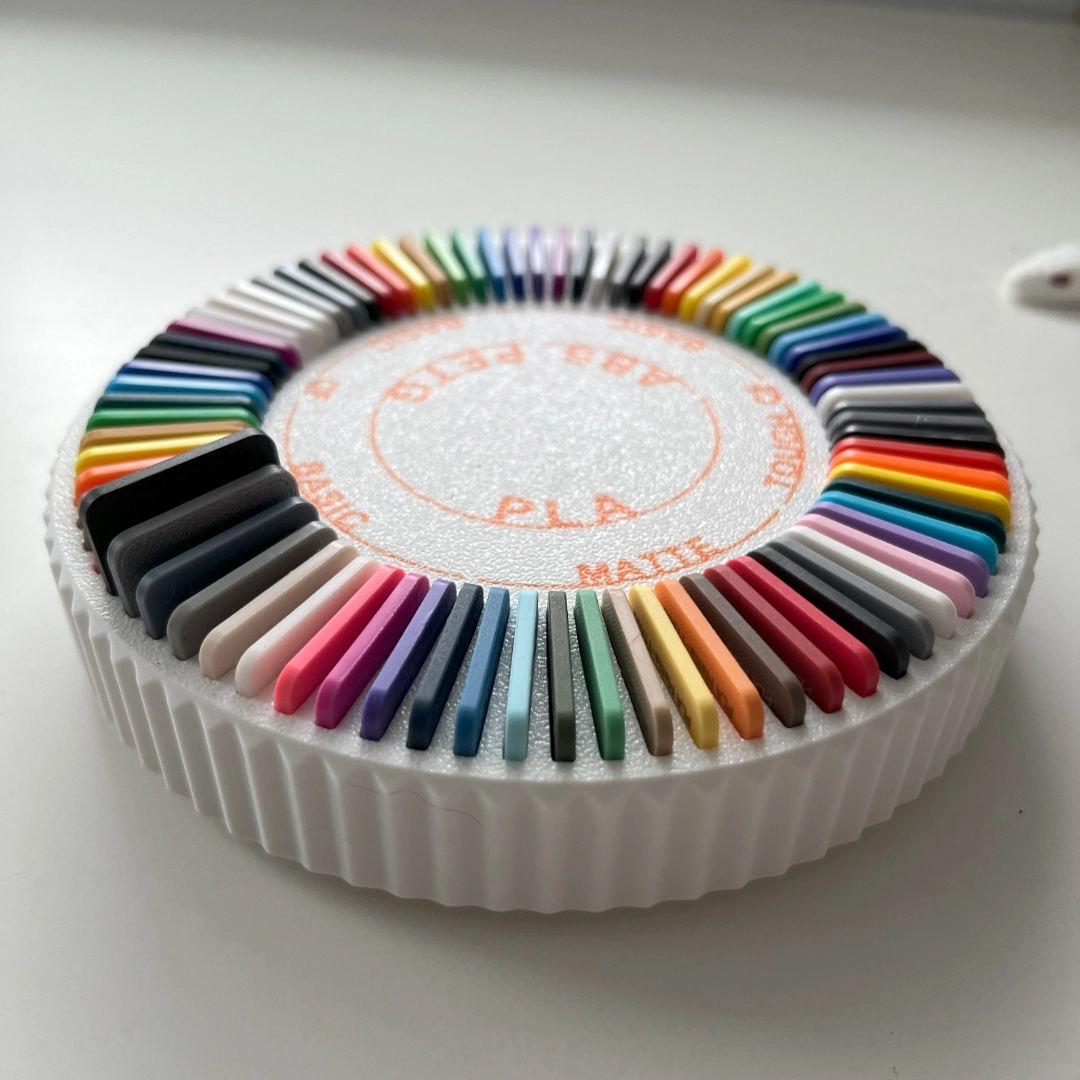
A wide range of materials available, max size 400mm for large items.

Service 2
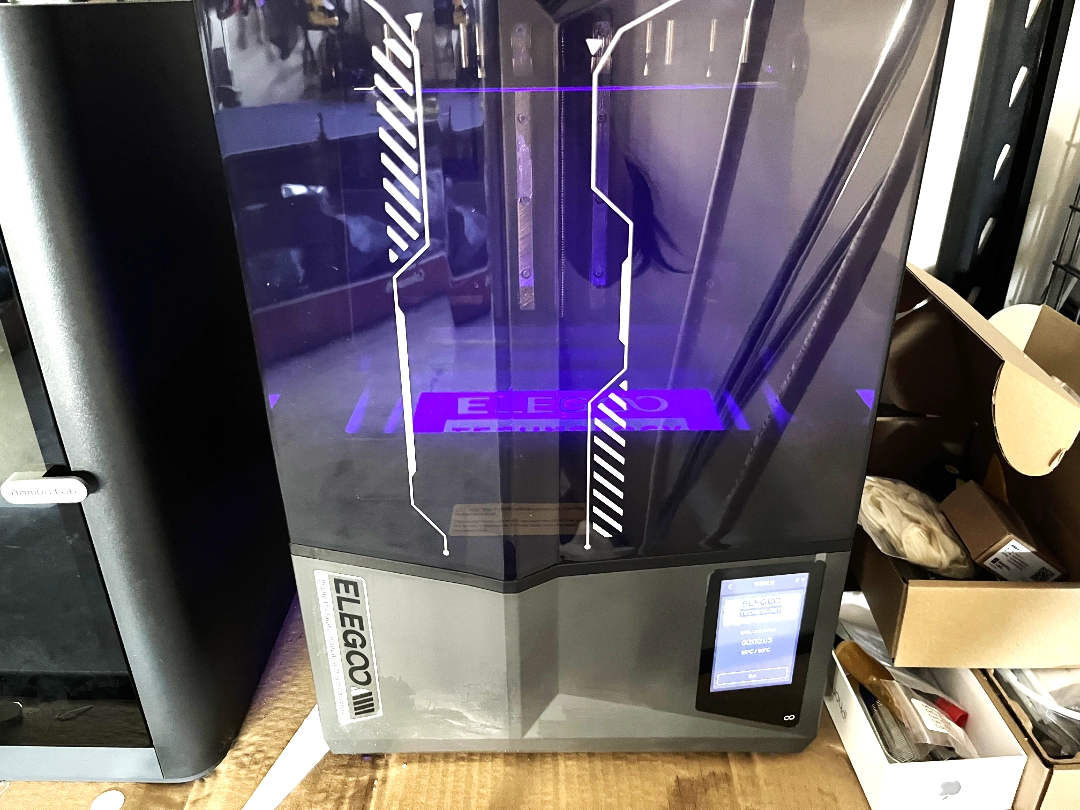
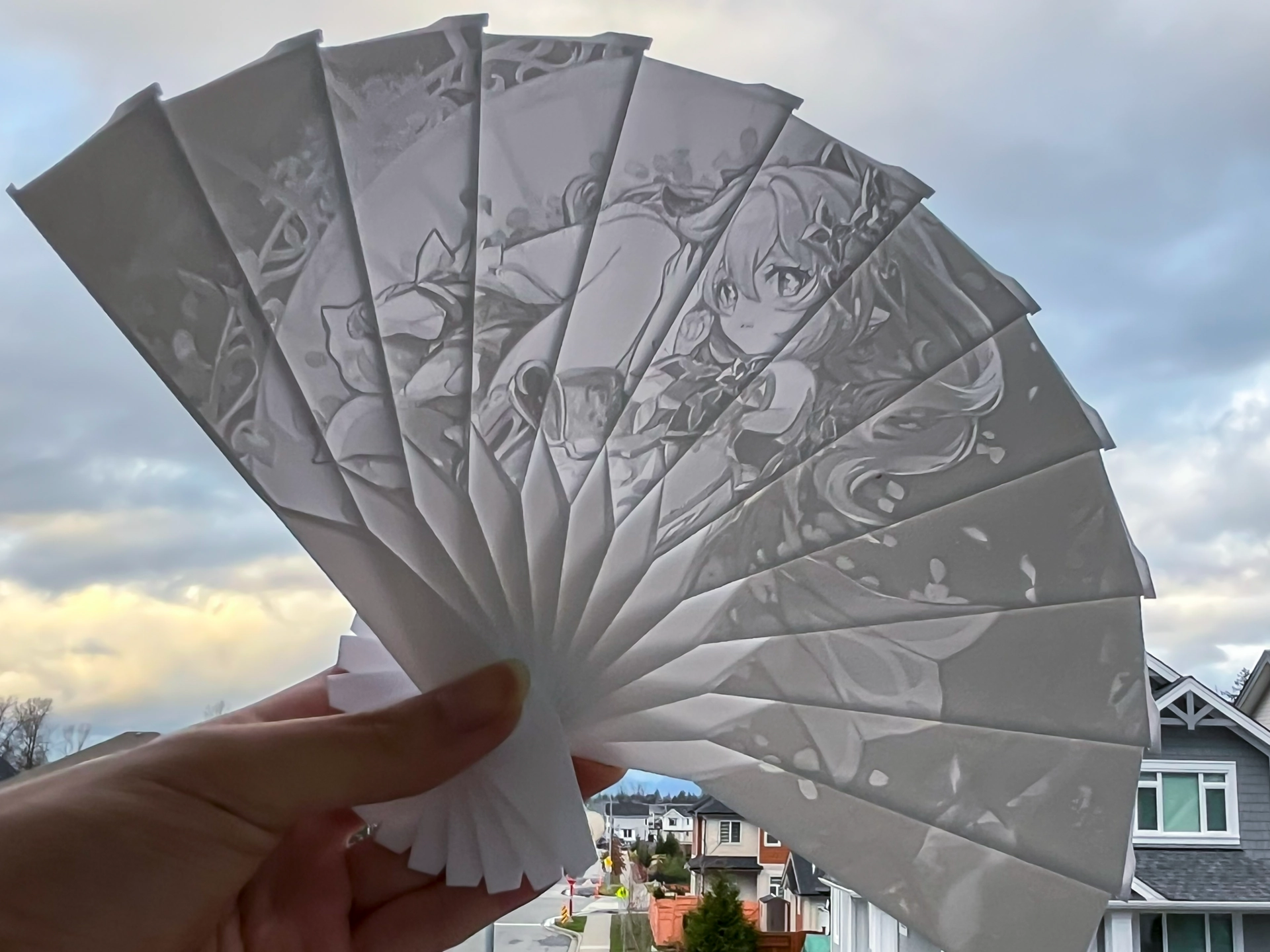
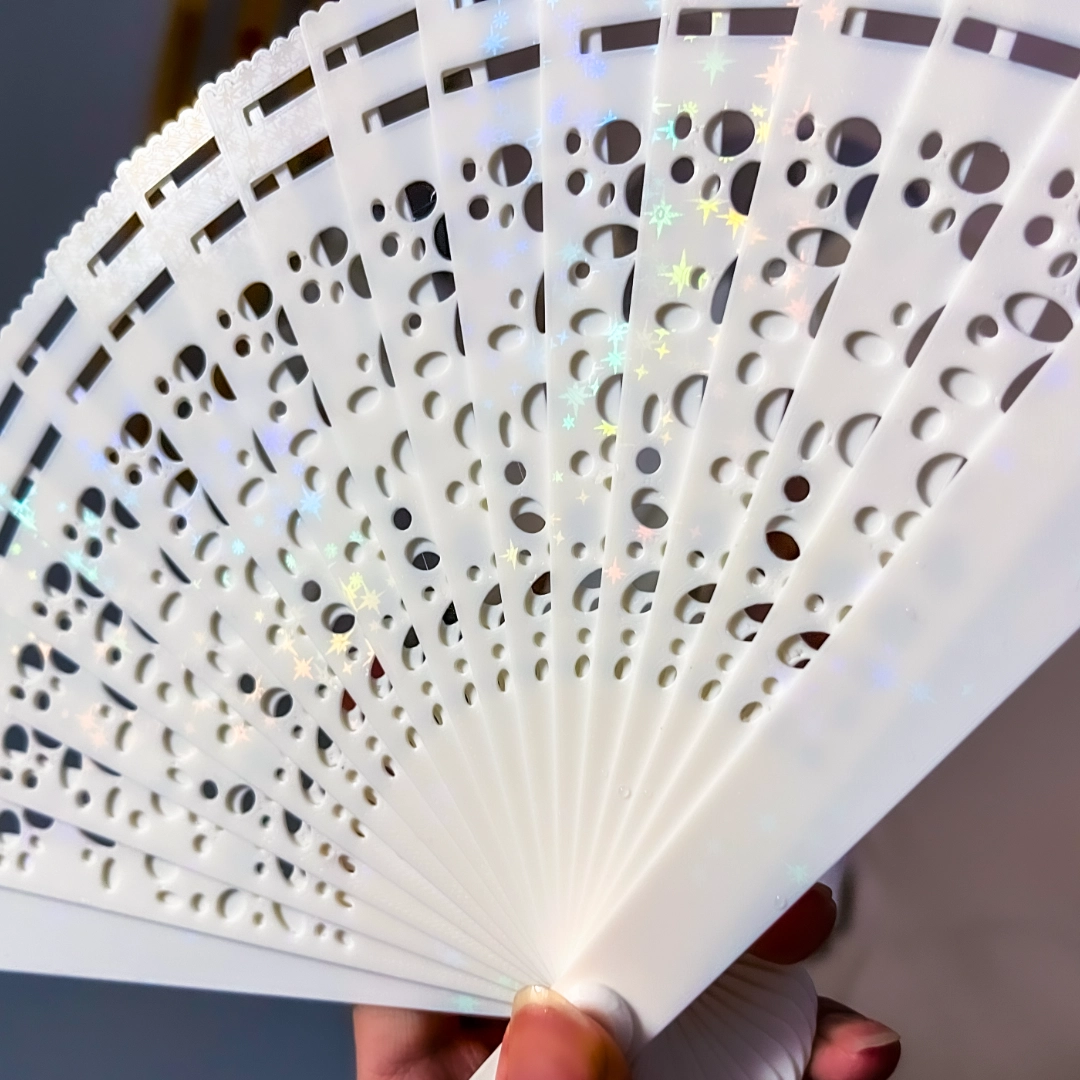
SLA Printing

8K resin printing with micron-level precision.

Service 3
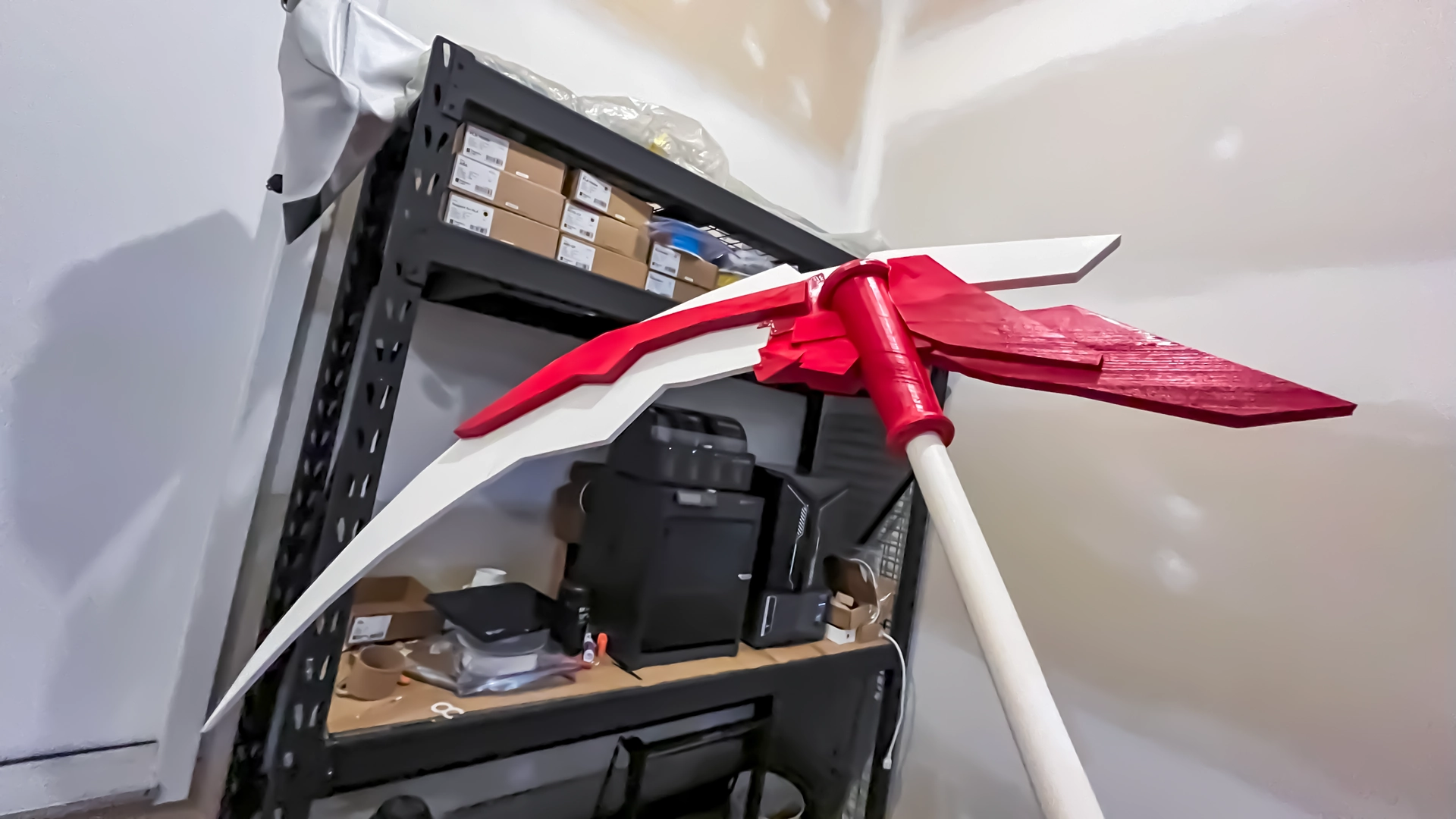
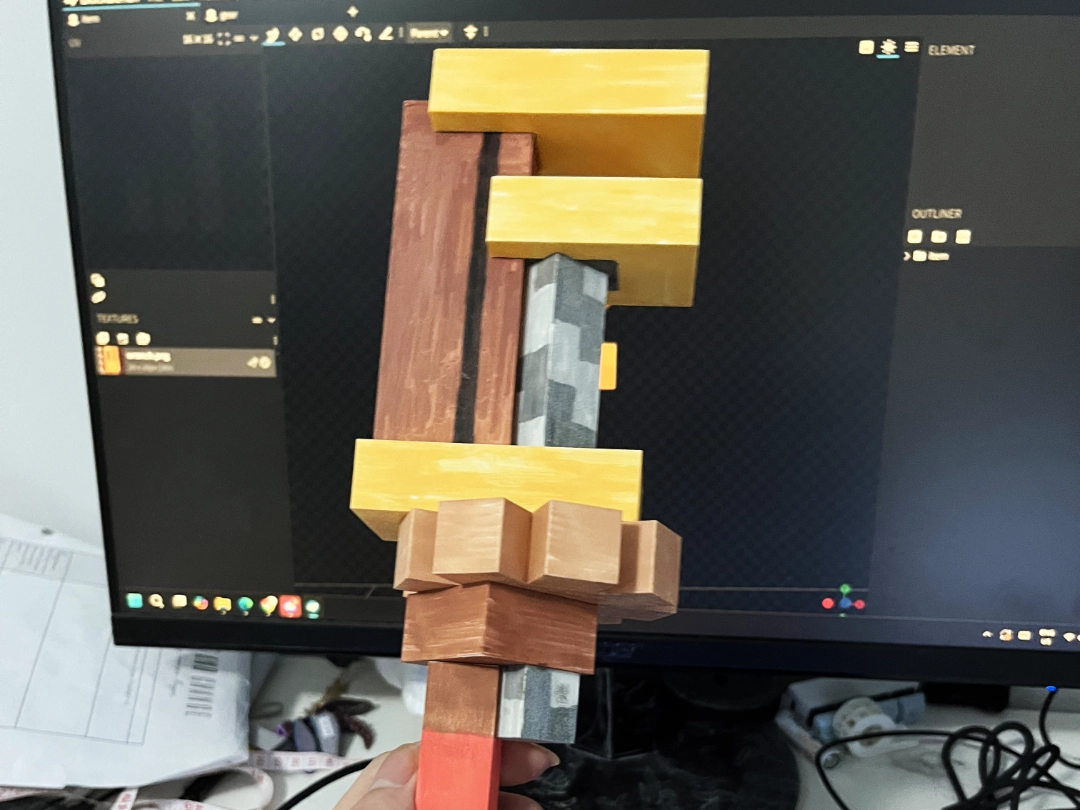
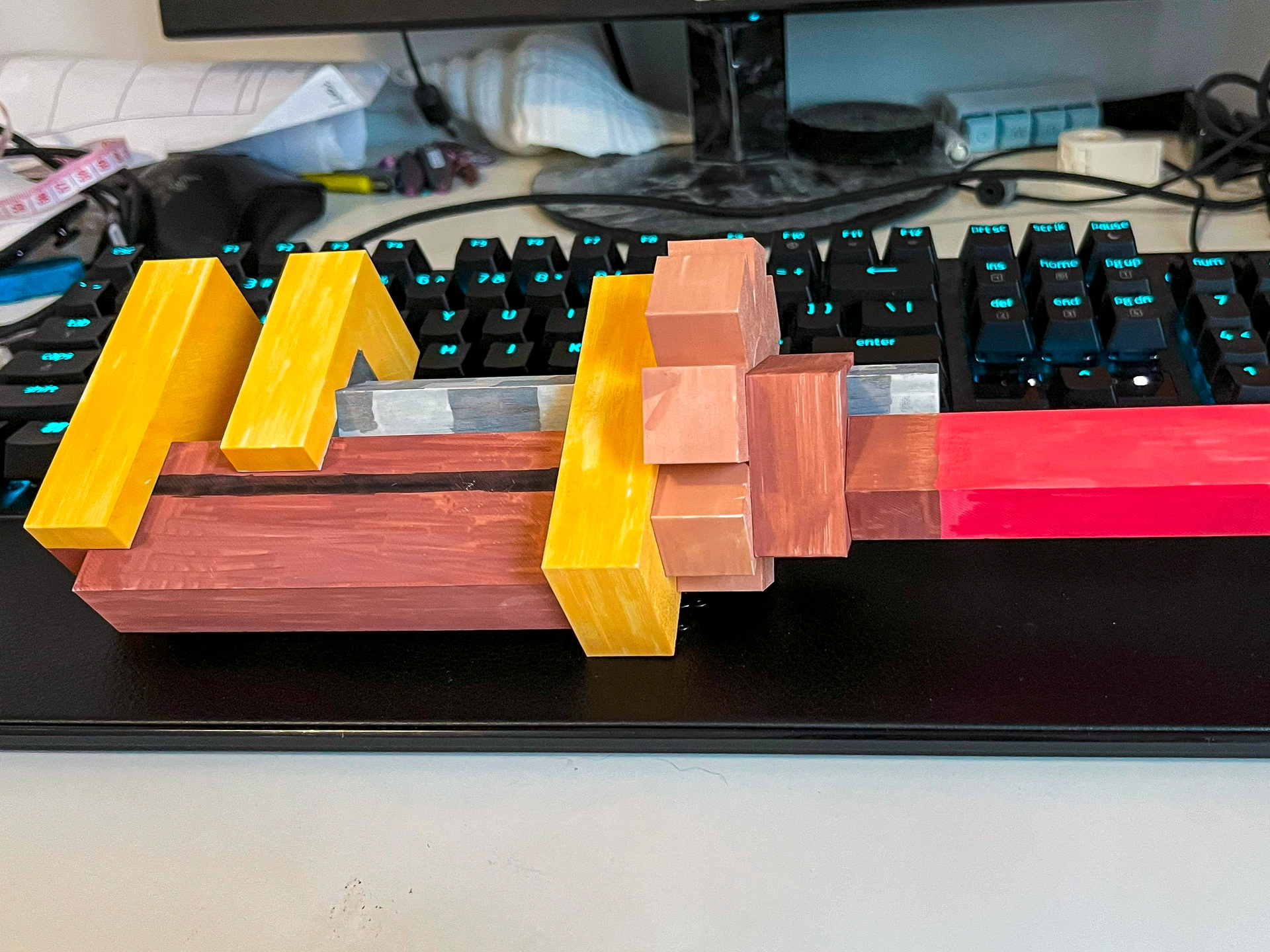
Prop Modeling

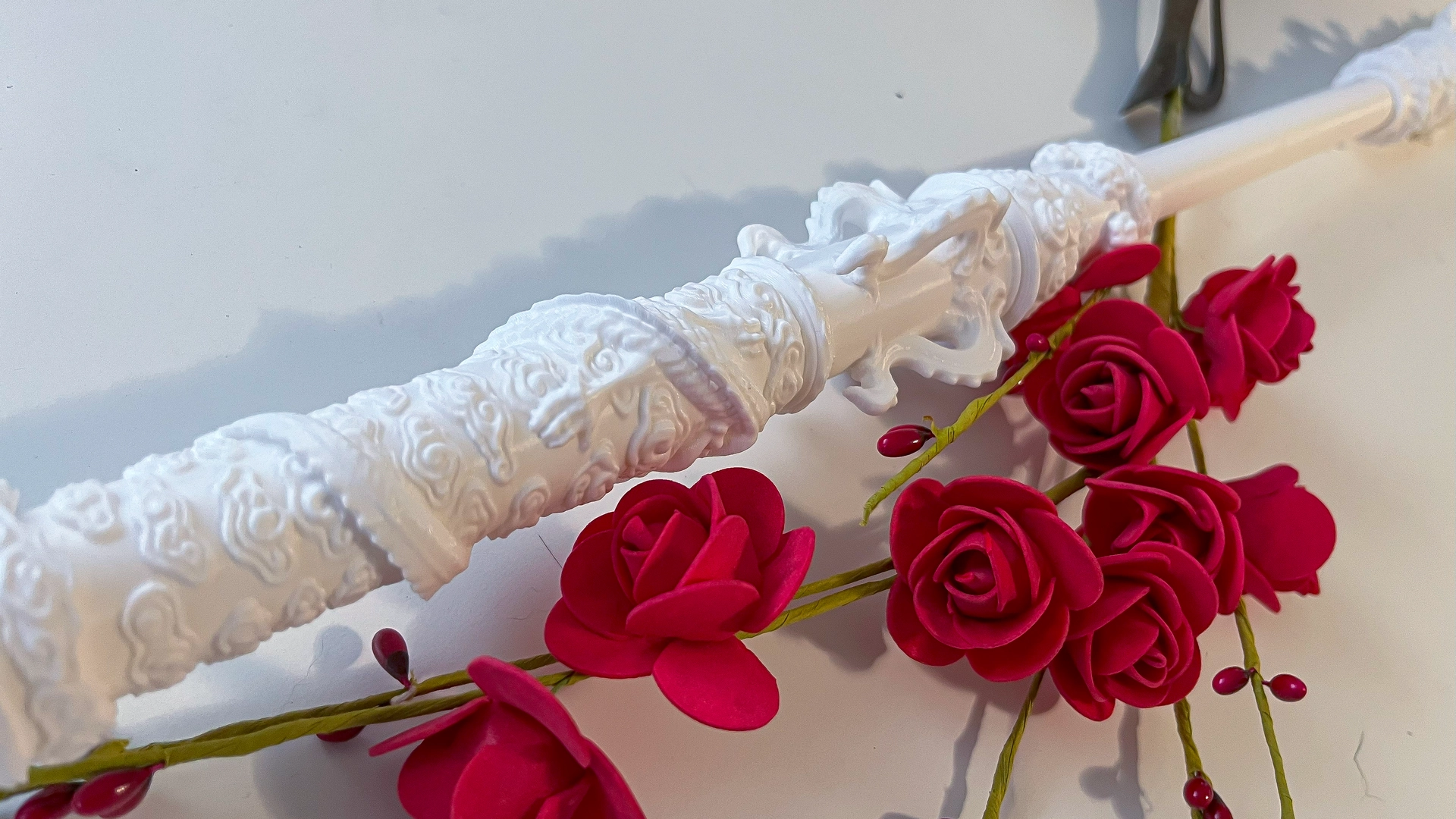
Need cosplay props? Modeling + printing all-in-one service.

Service 3
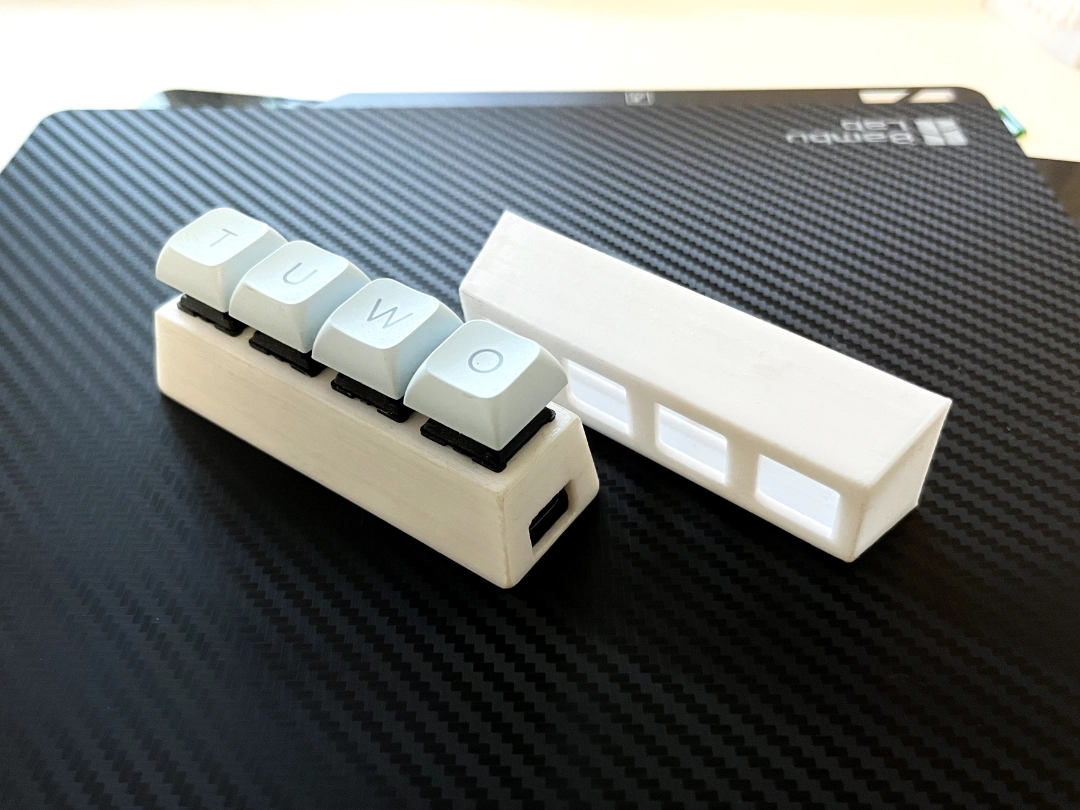
DIY Projects

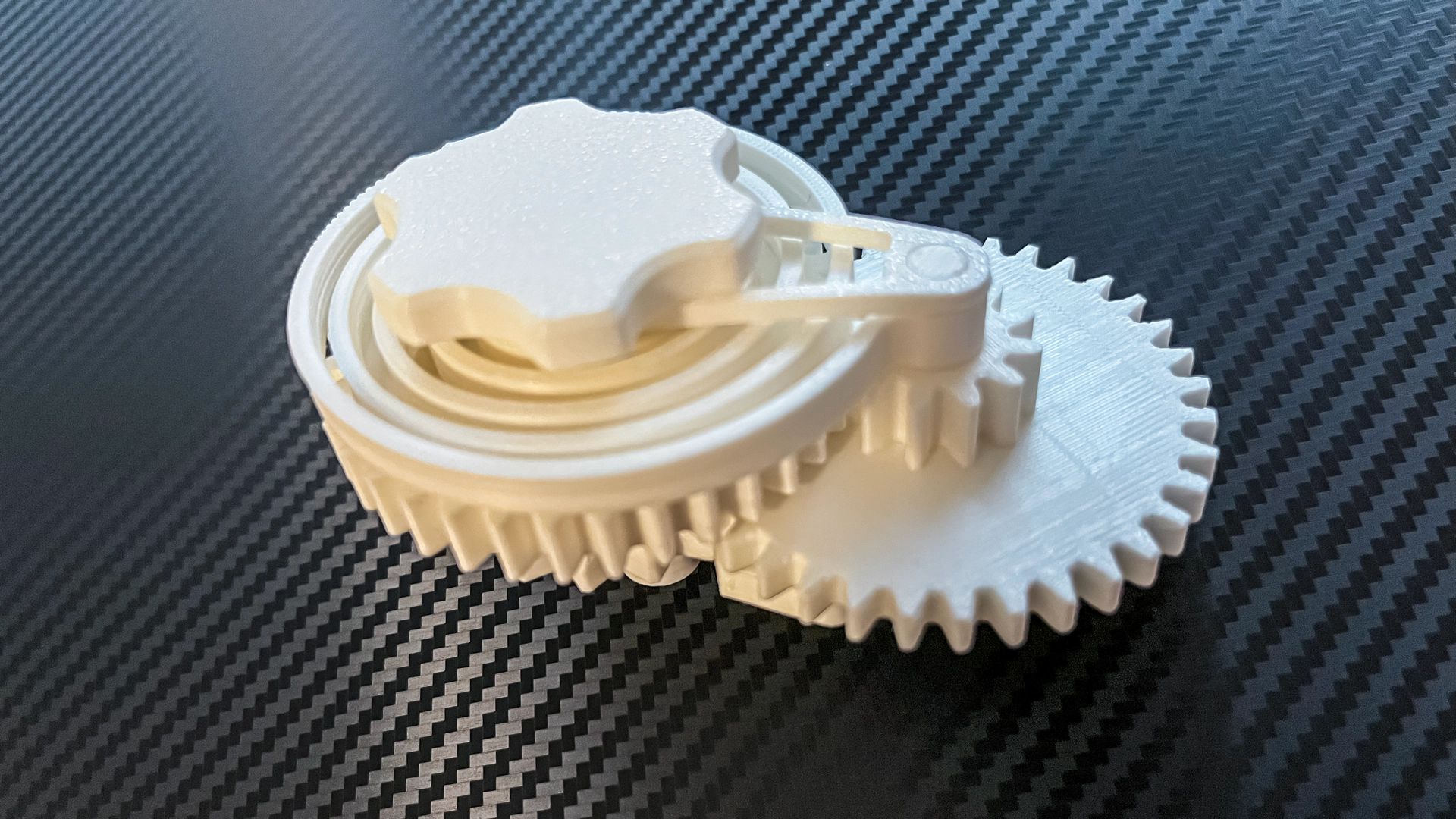
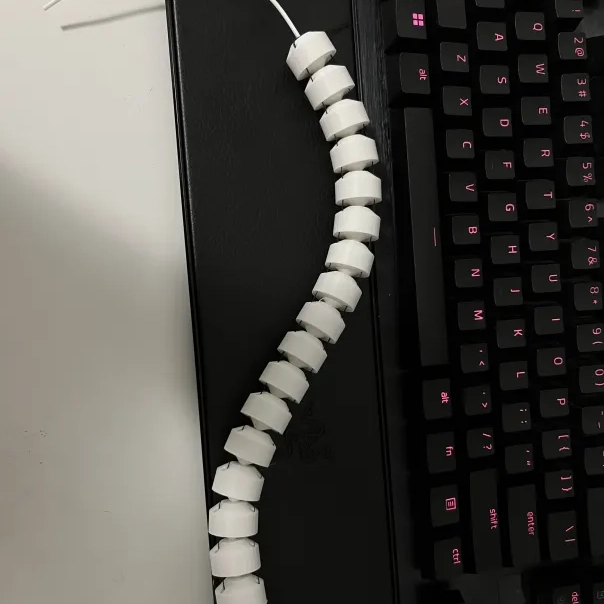
Saw an open-source project but don’t want to build it yourself? We’ll do it for you.

Pricing

Material Price per gram Price per minute Colors
PLA$0.100$0.05
PETG$0.100$0.07
ABS$0.100$0.10
Textured PLA$0.124$0.05
ASA / ABS+Glass Fiber$0.150$0.10
PLA+Carbon$0.158$0.05
PETG+Carbon$0.158$0.07
ASA+Carbon$0.186$0.10
PC$0.196$0.11
TPU$0.208$0.04
PA6+Carbon$0.212$0.10
Foamed PLA$0.224$0.05
Foamed ASA$0.246$0.10
PA6+Glass Fiber$0.296$0.10

How is pricing calculated?

Model weight × price per gram + printing time (minutes) × price per minute
The price per minute reflects the energy required to maintain the build plate at the temperature specified for each material. Different materials require different build-plate temperatures: for example, PLA typically requires 50°C, while ASA requires 100°C. Maintaining a higher temperature consumes more energy, so the per-minute rate increases proportionally.
We provide an estimate before printing. If the final cost is lower than the estimate, you pay the lower amount.
Color changes take a lot of time, but the number of color changes per layer is the same no matter how many models are on the plate. Therefore, the more models printed in one run, the lower the average cost per model.

Examples

85g · 4.5h · ABS · $35.50

Example 1

133g · 2.7h · PLA · $21.40

Example 2

81g · 3.9h · ABS · $31.50

Example 3

88g · 8h · PLA · $32.80 / 9 pcs

Example 4

Materials & Processes

Polylactic Acid. Biodegradable, eco-friendly plastic, most common for FDM. Odorless and fast printing. Easy to paint and sand, but very weak mechanically. Best for props.

Polyethylene terephthalate glycol (same as soda bottles). Available in transparent versions, strong and non-toxic, but viscous and slower to print. May cause stringing on tall models. Good for most objects.

Acrylonitrile Butadiene Styrene, a strong engineering plastic. Excellent strength and toughness, but high thermal expansion limits large prints. Ideal for structures under 100mm requiring durability.

Acrylonitrile Styrene Acrylate, an improved version of ABS. Nearly identical to ABS, but with superior weather resistance. Suitable for outdoor applications.

Thermoplastic Polyurethane. Flexible material, soft and bendable. Not suitable for large thin-walled parts.

Polycarbonate. Semi-transparent, high-strength, wear-resistant, impact-resistant. Suitable for most enclosures.

Polyamide-6 (Nylon-6). Low friction, heat resistant, good electrical insulation. Suitable for gears and mechanical parts.

Transfer structural textures onto one side of a print.

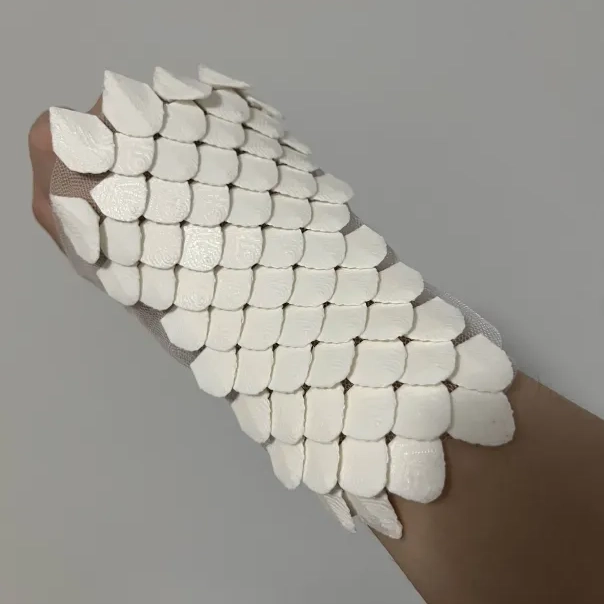
Embed mesh fabric directly into plastic for flexibility. Great for making scale armor, cosplay outfits, and flexible props.